
Herculea, the Lucanian culinary trail
Herculea, Herculia or Erculea: this is a time-honoured culinary route that has enabled some typical and utterly delicious dishes to be exported beyond the region’s borders.
It is ancient, dating back at least to Roman times (as can be inferred from the street’s name itself). It linked the Sannio region with Lucania, facilitating trade in agricultural and food products from Lucania with the Italic markets and Mediterranean ports.
This distinctive feature has earned it the nickname “the road of flavours”, a name it is still famous for today, as evidenced by the episode dedicated to it by Alessandro Borghese in his programme “4 Ristoranti”.
A bit of history
As already mentioned, the Herculea is a Roman road commissioned by Diocletian at the end of the 3rd century. However, it was in fact Maximilian Erculius who saw it through to completion – and also gave it its name. Historians who have traced its construction believe that this road did not originate from scratch, but rather that it has merged with other sections, such as, for example, the initial section up to the the vicus of Aequum Tuticum.
Via Erculea consists of three sections:
- northern
- central
- southern
Little is known about the first and third, regarding which only vague certainties remain. It is of the second, however, that we have more extensive and precise information: the section from the Irpinian Sannio – to be precise, the’Aequum Tuticum – a Grumentum – in Basilicata –.
At Aequum Tuticum, in the Miscano Valley, the Via Herculea crossed the Via Traiana before crossing the Ariano Pass; it then traversed the upper Cervaro Valley, descending south-east towards Lucania, passing through
- Venusia (now Venosa) – where the Via Appia crossed it –,
- Potentia (Potenza)
- Grumentum (another Roman town, the excavations of which can now be seen in the archaeological park on the slopes of the hill on which the village of Grumento Nova stands).
It goes without saying that, as it connected directly with two major Roman roads (the Appian and Trajan consular roads), the Via Herculea became one of the most important roads in Lucania during the time of ancient Rome.
The flavours
Another factor of considerable significance to the history of this street is the fact that, along it, it was not uncommon to see certain delicious local specialities being transported – delicacies so highly prized that even the Roman emperors demanded them be served at their own tables.
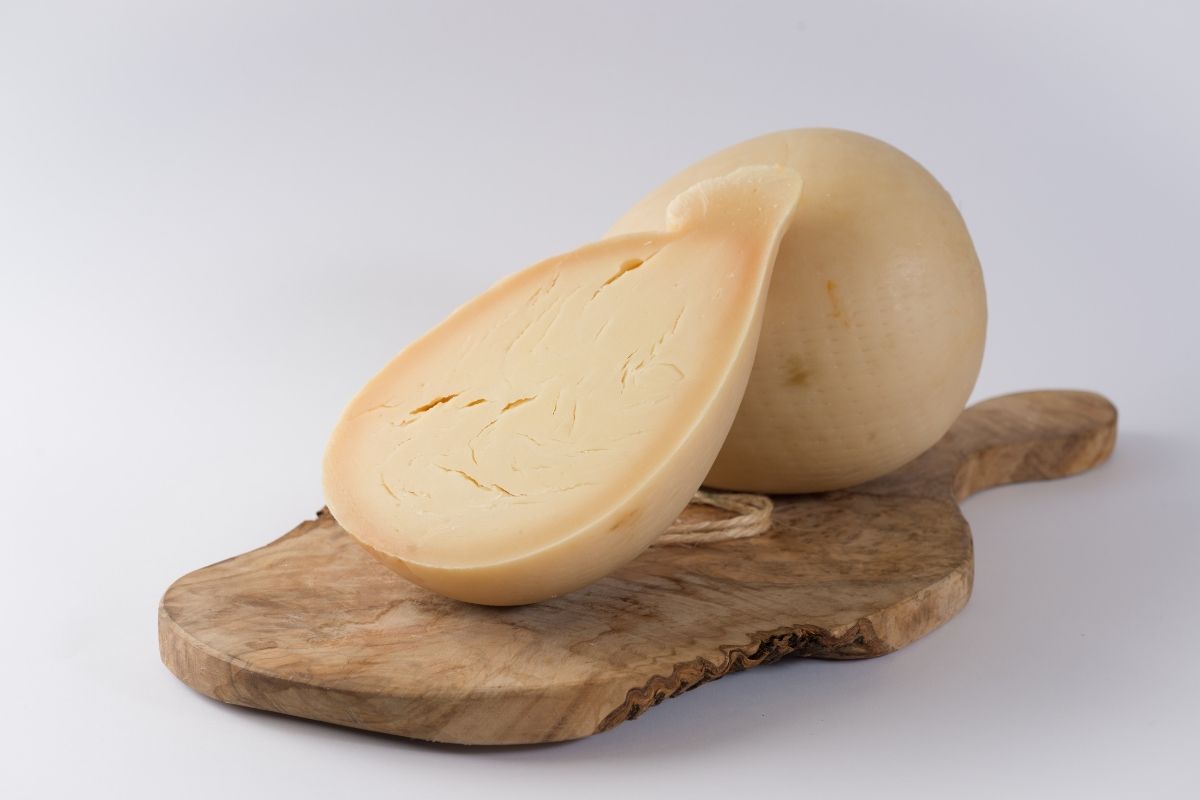
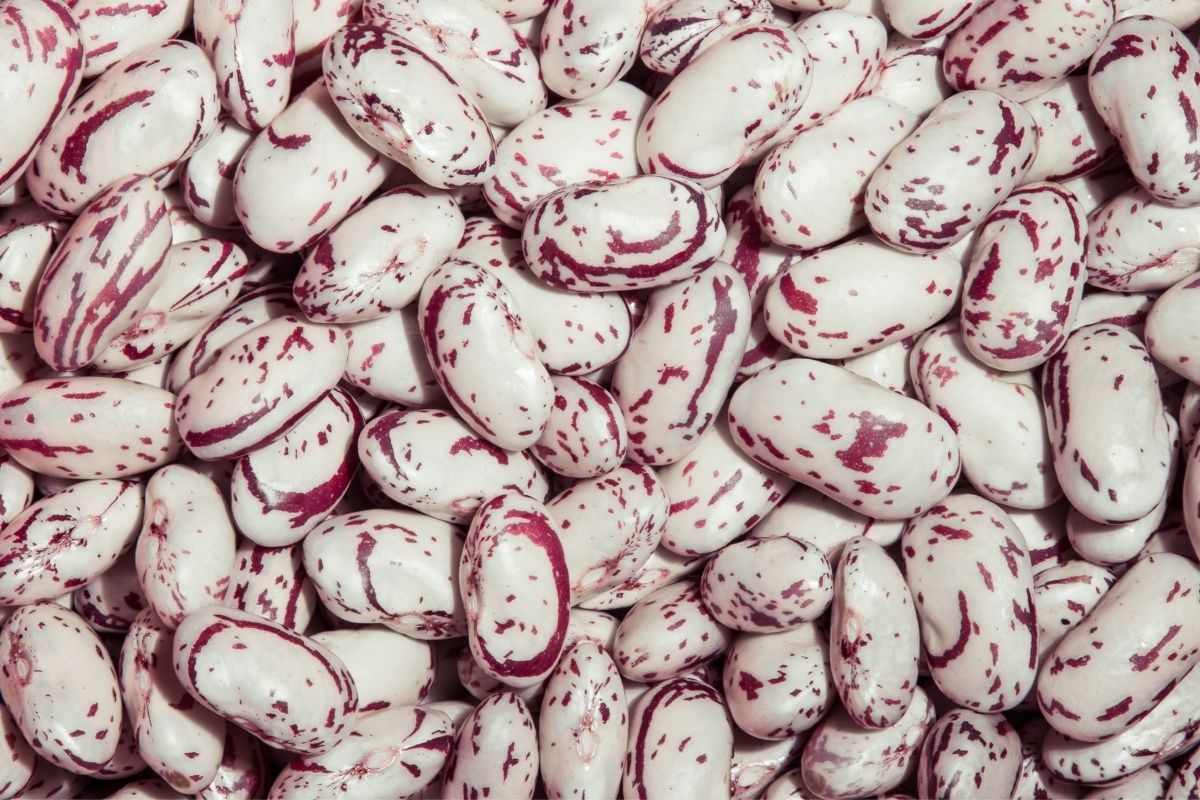
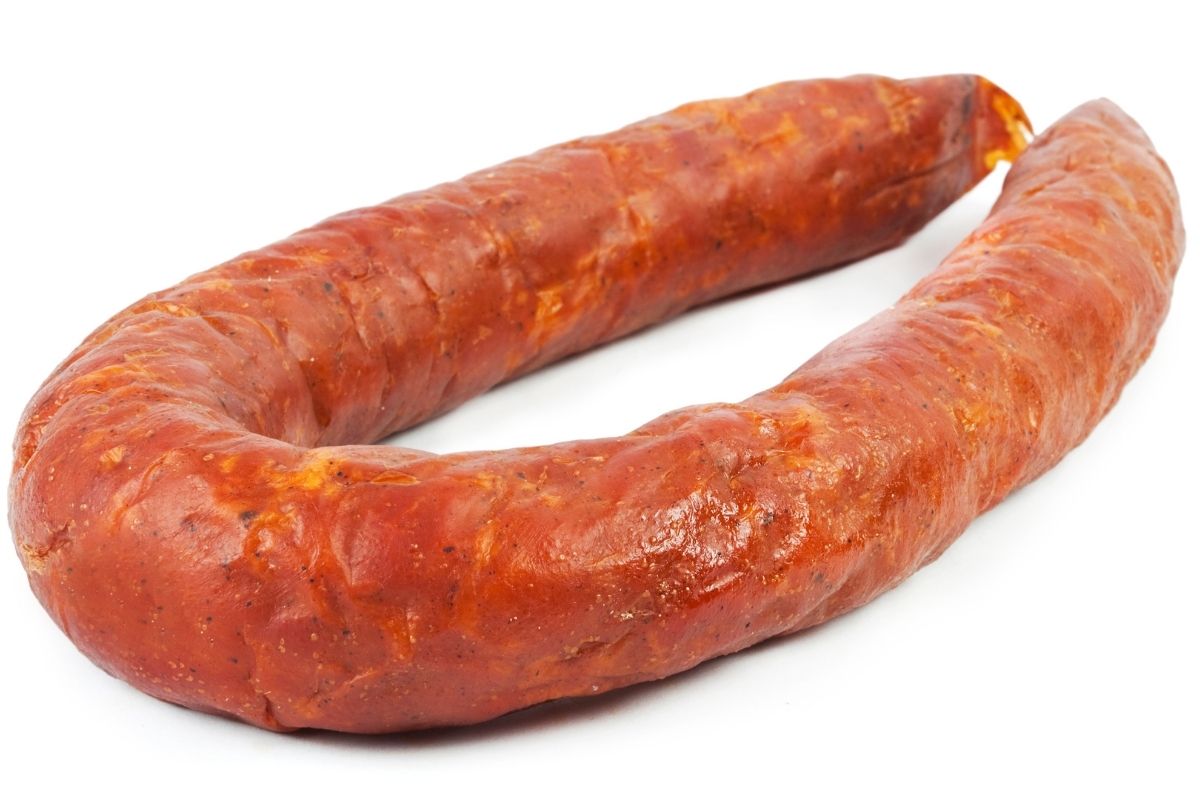
Specialities include:
- the black Lucanian piglet
- Lucanica sausage
- the Pignola bean
- Podolico caciocavallo
- Vulture olive oil.




