
Bed and breakfast with a spa bath in Bernalda. We are a 50-minute drive from the Grancia Park, in a strategic location for visiting both the coast and the mountains. The B&B with an in-room whirlpool bath in Bernalda is situated in a prime location, close to Matera, Craco, Pisticci, Metaponto, Policoro and Tursi, and just 40 minutes from Basilicata’s most picturesque mountain destinations.
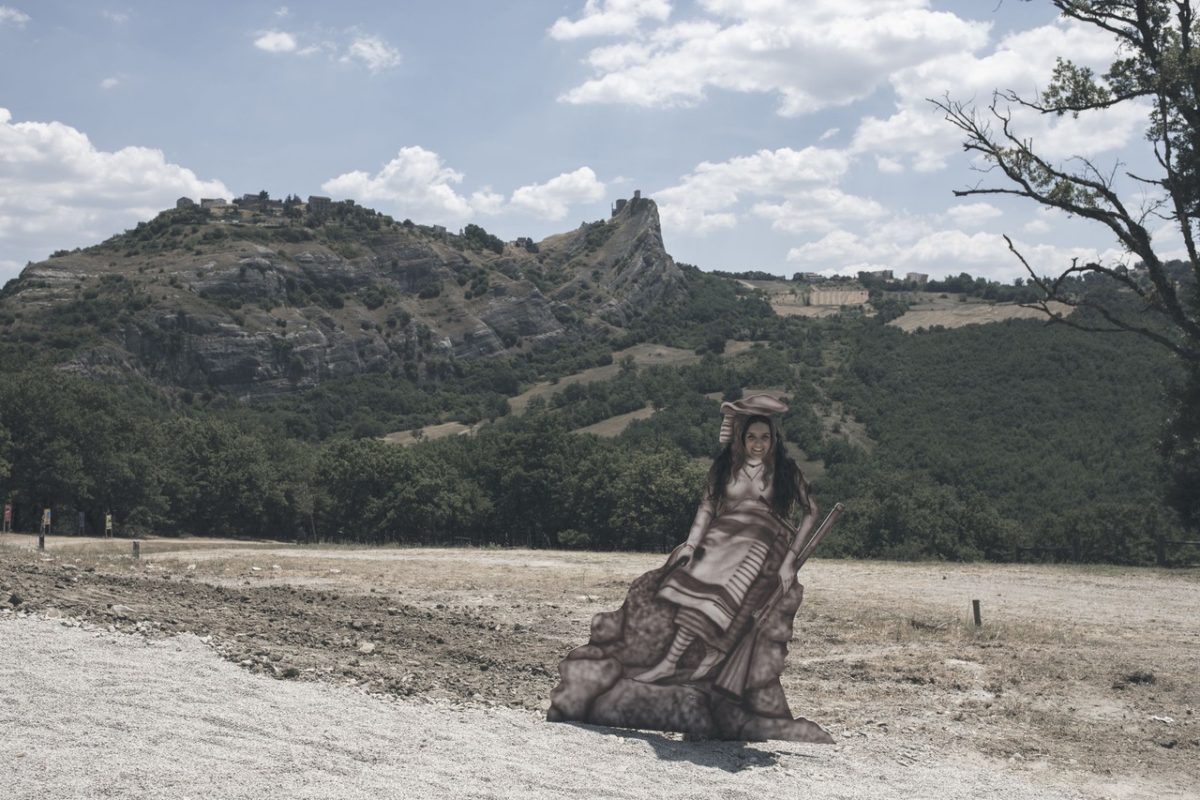
Let’s explore the Grancia Park together
The Grancia Park is an extraordinary fortress situated in the Basilicata region of southern Italy. It is an example of a feudal town dating back to the 13th century and has been designated a UNESCO World Heritage Site. The fortress covers an area of approximately 10,000 square metres and comprises a monumental castle, a church, several towers and baronial residences.
The Grancia Park played an important role in the Middle Ages, as it was the scene of numerous battles and a centre of political and social power. It served as a fortified town, a refuge for the population and a symbol of resistance against invasions.
Today, Parco della Grancia is a popular tourist attraction that offers visitors the chance to explore the historic town and learn about its fascinating past. The park hosts numerous cultural events and exhibitions, such as theatre performances, concerts and art exhibitions.
Visitors can also enjoy panoramic views from the castle towers and stroll through the beautiful gardens. The park offers guided tours for visitors interested in the history of the fortress and its significance for the region. In addition, there are many restaurants and cafés in the park where visitors can sample traditional Basilicata cuisine.
All in all, the Parco della Grancia is a must-see destination for history buffs and cultural travellers, with its extraordinary architecture, rich history and breathtaking views of the surrounding area.
The Grancia Park in Brindisi di Montagna is situated in the Basilicata region, in the municipality of Brindisi di Montagna, in the province of Potenza. The park was established in 2001 with the aim of conserving and promoting the historical, cultural and natural heritage of the surrounding area.
The Grancia, from which the park takes its name, was an ancient defensive structure built in the 13th century to control the transport routes between Apulia and Lucania. The structure was situated in a strategic position, on a hill overlooking the Bradano river valley, and was equipped with a defensive system comprising towers, walls and moats.
The Grancia di Brindisi di Montagna was one of the region’s main centres for the collection and distribution of agricultural produce. Cereals, pulses, wine, oil and cheese were stored and traded here, destined for the markets of Puglia and Lazio.
Over the centuries, the Grancia has undergone numerous alterations and extensions, becoming a veritable citadel hosting a variety of commercial, craft and cultural activities. Following a period of decline, the Grancia was restored and transformed into a museum complex, which now hosts a range of exhibitions and cultural events.
The Grancia di Brindisi di Montagna Park covers an area of around 250 hectares, comprising pastures, woods, cultivated fields and wetlands. The park is crossed by the River Bradano and the San Giuliano dam, which forms an artificial lake. Here, visitors can enjoy a wide range of outdoor activities, such as walking, cycling and horse riding, as well as angling and birdwatching.
The Grancia Park in Brindisi di Montagna is an example of how it is possible to reconcile the promotion of cultural and landscape heritage with the sustainable development of the local area. Thanks to its rich natural and cultural heritage, the park is an ideal destination for those wishing to discover Basilicata and its millennia-old history.

Let’s explore Basilicata together
Basilicata, also known as Lucania, is a region situated in south-western Italy. The history of Basilicata has ancient origins, dating back to the Bronze Age, when the first Italic peoples arrived there. Various tribes settled in the region, including the Lucanians, from whom the region takes its name (Lucania, from “Lucani”).
Basilicata was subsequently ruled by the Romans, first as a province and then as part of the empire. During the Lombard period, the region was part of the Duchy of Benevento, before coming under Norman, Swabian, Angevin and Aragonese rule.
From the 15th century onwards, Basilicata entered a period of economic and social decline. The economy was based on agriculture and subsistence activities, whilst political power lay in the hands of a few noble families and a handful of clergymen.
During the 19th century, Basilicata was involved in numerous revolutionary movements, including the Carbonari uprising of 1820 and the struggle for Italian unification. Following the unification of Italy, the region underwent a process of modernisation that led to the development of new economic activities and the enrichment of local culture.
During the Second World War, Basilicata was the scene of numerous clashes between Allied and enemy forces. After the war, the region continued its development, but its economic growth was considered slow and uneven.
Today, Basilicata is a region characterised by a strong cultural identity and a rich culinary tradition. Numerous monuments and archaeological sites bear witness to the region’s long and varied history; despite the difficulties, it continues to be much loved by its inhabitants and by the tourists who visit it every year.
If you’re looking for a holiday home in Basilicata or Puglia, click here
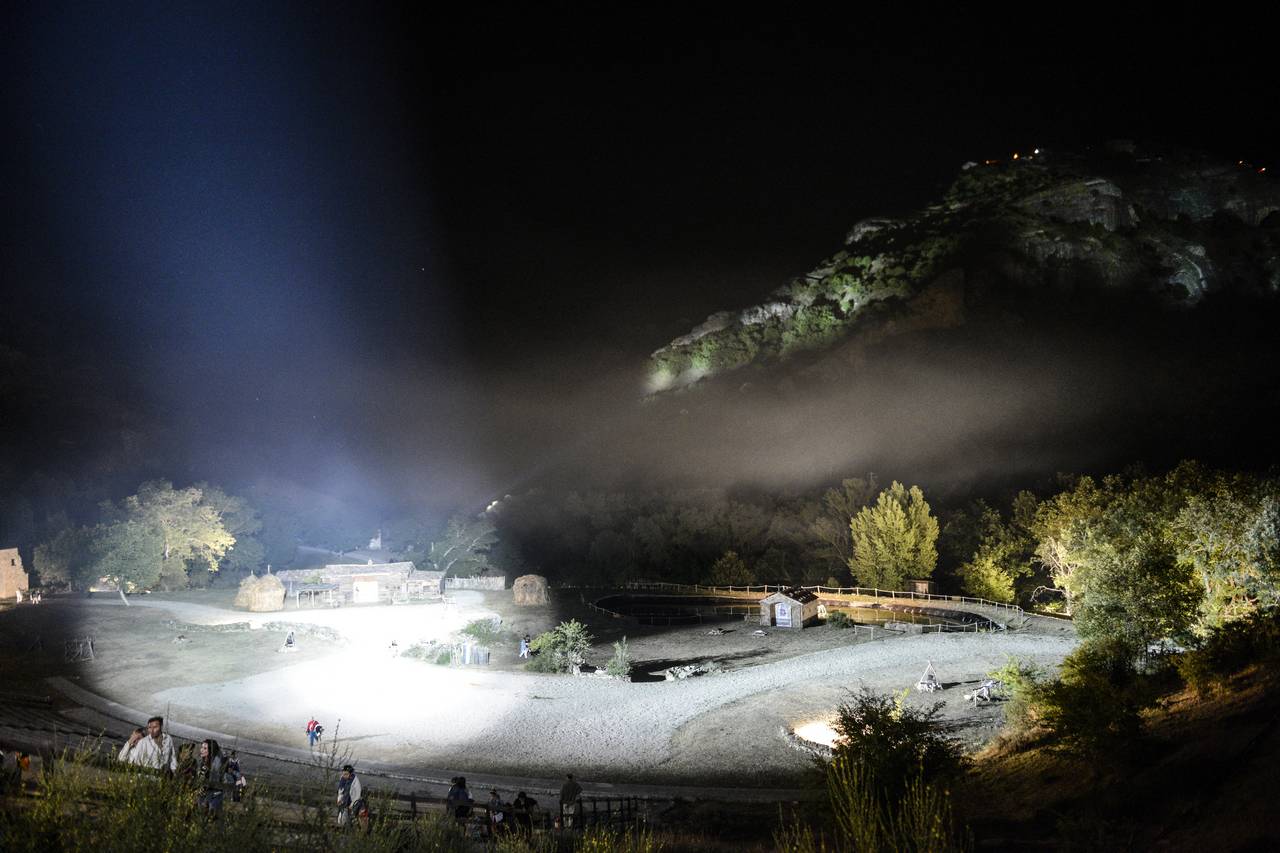
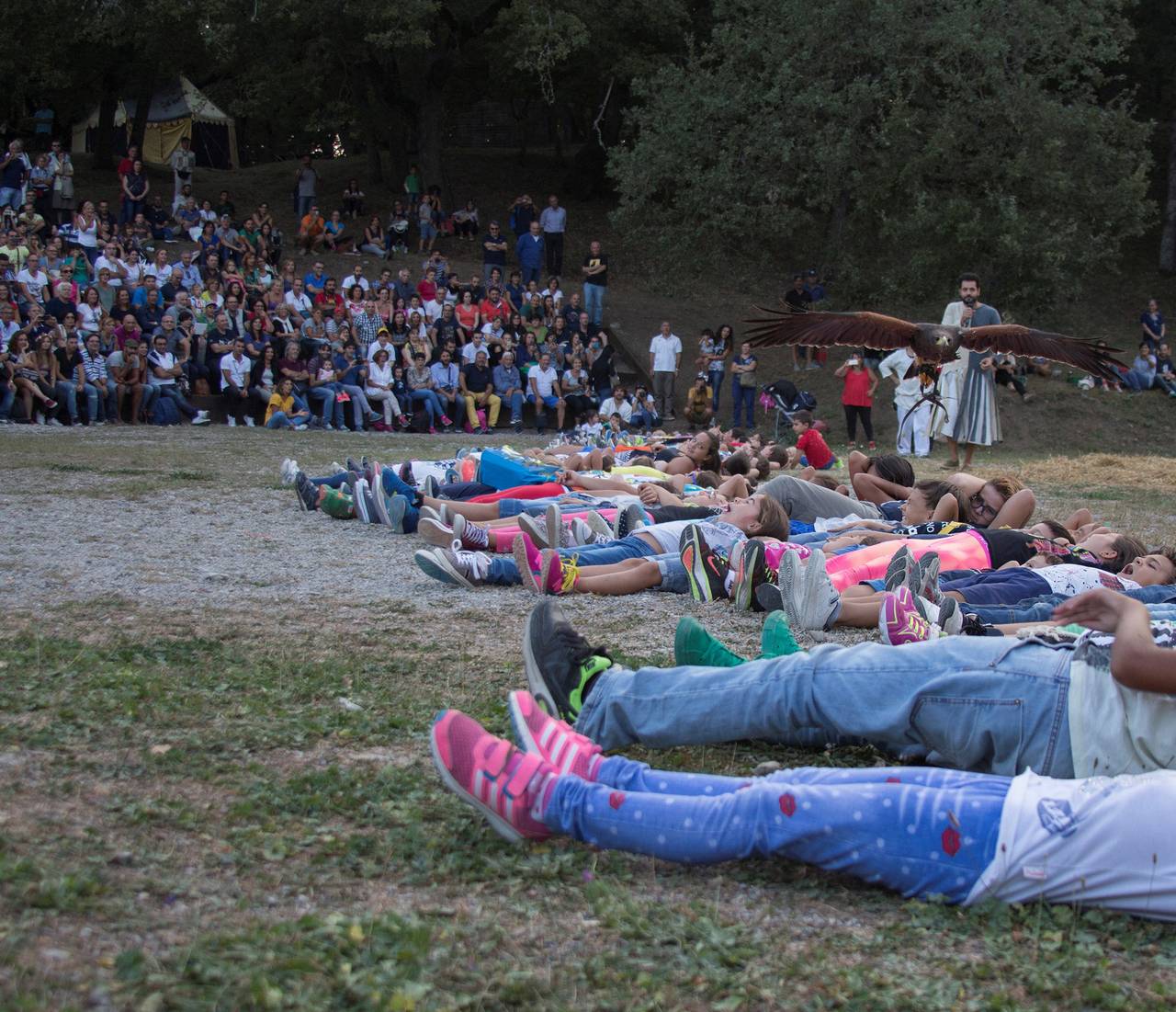
The photos were taken from the park’s official website; for further information and bookings, please contact the park visit the website
Fill in the form below and book your holiday in Basilicata




